
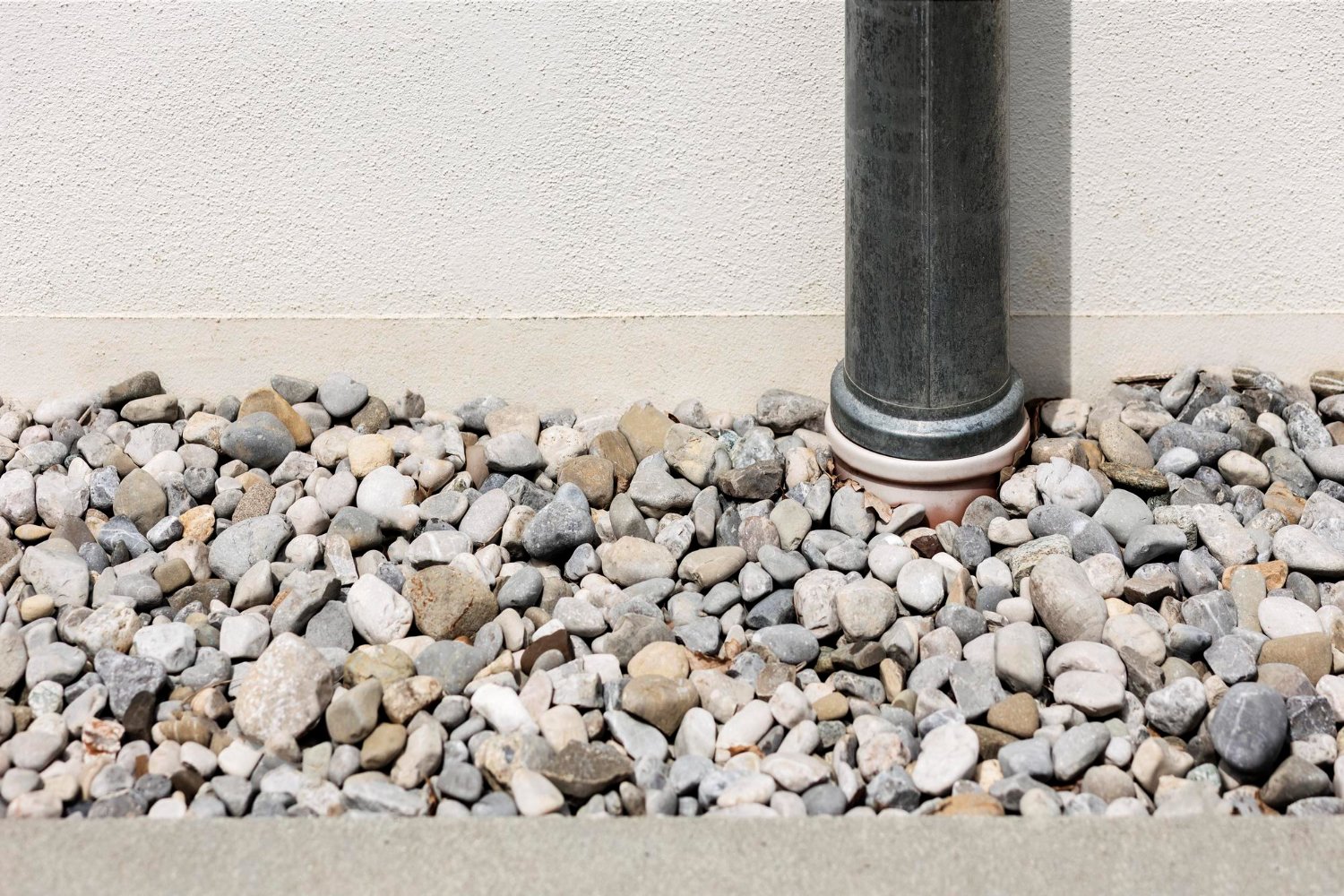
Arizona may look dry most of the year, but rain doesn’t need to stick around long to cause trouble. During winter, short bursts of rain can come through unexpectedly and turn dry soil into a muddy mess. Monsoon runoff might be more famous, but winter rain is just as capable of creating problems—especially near walkways and home foundations.
Water that sticks around can soak into the wrong places or even start to erode soil where you least expect it. That’s why drainage needs to be part of any backyard or outdoor plan. It’s not just about where the rain lands but where that water goes next. That’s something french drain installers think about every day. It’s not just a trench and a pipe—it’s solving a problem that most people don’t see until it’s too late.
Why Arizona Homes Are Still at Risk for Drainage Issues
A dry state doesn’t sound like a place where water causes trouble, but Arizona soil doesn’t absorb moisture very well. After a long dry stretch, compacted ground resists soaking up water, which means runoff starts quickly. Once the rain starts pooling, you might see water sliding downhill, building up against curbs, or pushing its way underneath patio edges.
Some homes sit low on the lot or near sloped areas, which makes it more likely for rainwater to gather near entry points or pool around the base of the house. Winter months might be cooler, but they bring ranch-style showers that last just long enough to create an issue. In December and January, steady rain can lead to puddles that don’t drain off fast, especially where soil is packed or poorly sloped.
People are often surprised when water damage shows up in the yard or at the base of a wall. A few puddles may seem harmless at first, but over time, they signal something off with how the yard handles water. Drains become more than an add-on—they’re part of the plan to make sure everything works together and stays clear of long-term damage.
How French Drains Work in a Residential Yard
French drains are a simple concept, but the outcome they offer can make a big difference. At their core, these drains are gravel-filled trenches with a perforated pipe running through the bottom. The idea is to catch water and quietly carry it away underground. No standing water, no muddy tracks, just dry ground where you want it.
We often place french drains in areas where water tends to gather. That could be low spots downhill from a patio or near the backside of a retaining wall that faces rain exposure. They’re especially handy around paved walkways and pool decks, where surface runoff can creep underneath and wear out the soil.
What makes them effective is how quietly they do their work. Once buried and finished with gravel or soil, you don’t even notice them. What you do notice is less pooling after rainfall and fewer surprise puddles creeping toward the house.
Green Acres Landscaping installs custom french drains alongside patios, retaining walls, and walkways, working with the slope and soil to keep water away from critical spots in the yard.
What Good Site Planning Looks Like Before Drain Installation
Drainage that works well doesn’t start with a pipe. It starts with reading the land correctly. Good site prep sets the stage for everything that follows. Before picking up a shovel, we take time to check how the lot slopes, where water moves after rain, and how different areas of the yard behave based on what’s built around them.
French drain installers don’t just dig where water stands—they look at where water runs. That means thinking about garden beds, outdoor seating areas, and how each slope might direct—or misdirect—runoff. A well-placed drain ties into those features without interrupting them. The goal is to make the system work with what’s already there.
We look at things like:
Soil type and how long it takes to drain
Where hard surfaces like patios or stone paths direct water
Height differences across the space
How nearby downspouts or roof runoff might add to the flow
When these pieces come together early on, the trench, pipe, and gravel have a better shot at doing their job from the start.
Green Acres Landscaping uses advanced site evaluation for each drainage project, checking grading, run-off patterns, and the existing hardscape, so french drain systems are tailored to the property.
How Drainage Fits into a Bigger Outdoor Build
Drainage doesn’t work in isolation. It sits right beneath patios, weaves around planters, and lines the backside of walls. When we design yards from the ground up—or upgrade an older setup—we make drainage part of the early thinking, not an afterthought.
French drains support hardscapes by protecting the ground under and around them. Without proper flow, water can find weak spots next to stone patios, artificial turf zones, or between built levels of a tiered yard. That’s where the pipe and trench take unwanted water and shift it to a safer spot, away from daily foot traffic or planting zones.
The direction of the sun, afternoon shade, nearby trees, and garden beds all weigh into where we place lines and how deep they go. If a flat corner near the patio gets minimal sun in winter, it’s more likely to cling to moisture. That makes it a better candidate for drainage, even if it doesn’t look like a problem during dry spells.
Thoughtful design recognizes that no single part works alone. A clean look up top depends on smart work below the surface.
Dry Doesn’t Mean Damage-Free: Why Drainage Planning Pays Off
It’s easy to forget about water during long stretches of sunshine. But in Arizona, winter rains and cool-month showers can sneak in and leave real trouble behind. Water that sneaks into the wrong place is slow to dry and quick to change how soil behaves. Over time, that could mean loose ground, slippery surfaces, or shifting soil around a home’s foundation.
French drains give that water somewhere to go. Without showing off or taking up space, they clear the path and let the rest of the yard keep doing its job. That kind of quiet injury prevention is difficult to see—but easy to appreciate once it’s in place.
A yard that dries out quickly after storms, stays firm underfoot, and looks sharp year-round starts with planning for every season. In the warmer months, it means less mess and easy walking. During winter, it means less stress every time the weather forecast changes. With smart planning, we make sure all those invisible moves underground work hand in hand with the rest of the outdoor build.
Smart drainage helps Arizona yards work better all year, especially when winter rains show up without much warning. Planning ahead doesn’t just keep patios dry, it protects the space around your home from slow damage over time. When done right, these systems move water quietly and out of sight, helping everything on the surface stay in place. To see how thoughtful planning and strong builds come together, take a look at how our french drain installers handle water where it matters most. We’re here to talk when you’re ready to build a space that lasts through every season.